Key Takeaways
- Binder jetting technology is being tested for its ability to produce high-temperature superalloys, such as MAR-M 247LC, with reduced cost and lead times.
- The upcoming webinar, "The Future of High-Temperature Superalloys," will discuss the potential of binder jetting in producing these complex materials.
- MAR-M 247LC is a nickel-based superalloy used in aerospace propulsion and energy systems, with traditional production methods relying on investment casting.
- Binder jetting has become a rapidly growing area of metal additive manufacturing, with companies looking to move beyond prototyping and into full-scale production.
Introduction to Binder Jetting
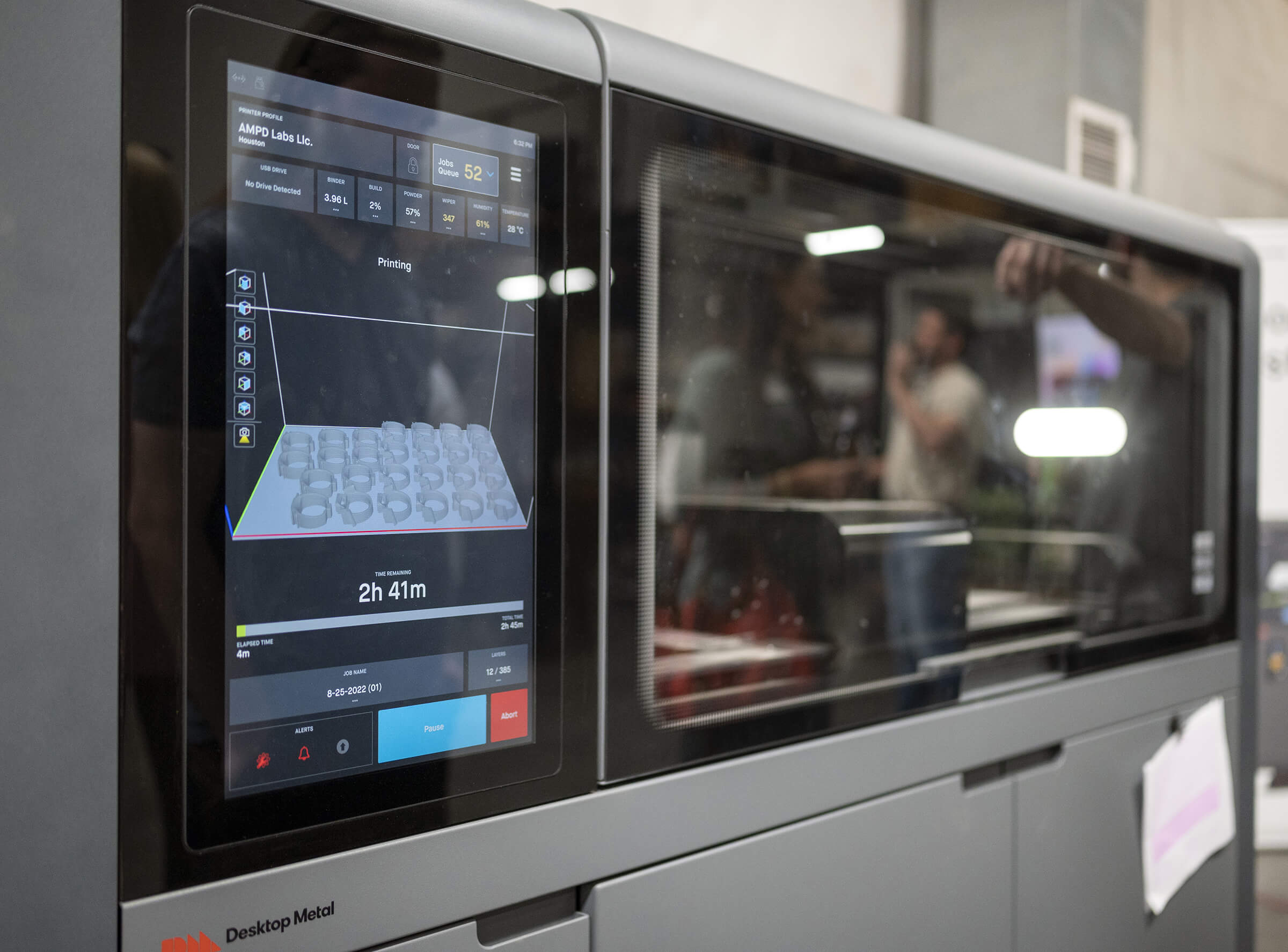
Binder jetting is a metal additive manufacturing technique that has gained significant attention in recent years. The process involves the use of a liquid binder to "glue" together metal powder particles, layer by layer, to create a final product. This technology has the potential to revolutionize the production of complex metal parts, particularly those made from high-temperature superalloys.
The Challenge of High-Temperature Superalloys
High-temperature superalloys, such as MAR-M 247LC, are used in some of the most demanding applications, including aerospace propulsion and energy systems. These materials require exceptional strength, durability, and resistance to corrosion and heat. Traditional production methods, such as investment casting, are often time-consuming, expensive, and limited by tooling requirements and supply chain constraints.
Comparison of Production Methods
| Production Method | Lead Time | Cost | Complexity |
|---|---|---|---|
| Investment Casting | 12-16 weeks | High | High |
| Binder Jetting | 2-4 weeks | Medium | Low |
| Traditional Machining | 4-6 weeks | Medium | Medium |
The Potential of Binder Jetting
Binder jetting offers a potential solution to the challenges associated with traditional production methods. By using a liquid binder to "glue" together metal powder particles, binder jetting can produce complex parts with reduced lead times and costs. Additionally, the process allows for greater design flexibility and the ability to produce parts with intricate geometries.
Expert Insights
The upcoming webinar, "The Future of High-Temperature Superalloys," will bring together experts from AmPd Labs and Continuum to discuss the potential of binder jetting in producing high-temperature superalloys. The session will provide valuable insights into the latest developments in binder jetting technology and its potential applications in the aerospace and energy industries.
Bottom Line
The ability of binder jetting to produce high-temperature superalloys, such as MAR-M 247LC, has the potential to revolutionize the production of complex metal parts. With reduced lead times, costs, and complexity, binder jetting offers a promising alternative to traditional production methods. As the technology continues to advance, it is likely to have a significant impact on the aerospace and energy industries, enabling the production of more efficient, durable, and cost-effective components.