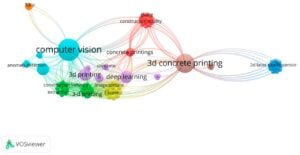
- Key Takeaways:
- Computer vision and machine learning (ML) can be used to detect defects in 3D printed concrete
- Defect detection is crucial for ensuring the quality and structural integrity of 3D printed concrete structures
- The use of computer vision and ML can improve the accuracy and efficiency of defect detection in concrete additive manufacturing (AM)
Introduction to Defect Detection in Concrete AM
The use of 3D printing in construction has gained significant attention in recent years, with the potential to revolutionize the way buildings and infrastructure are designed and built. However, one of the major challenges facing the adoption of 3D printing in construction is the detection of defects in the printed concrete. Defects can compromise the structural integrity of the building, making it essential to develop effective methods for detecting and preventing them.
Role of Computer Vision and ML in Defect Detection
Computer vision and ML can play a crucial role in detecting defects in 3D printed concrete. By analyzing images of the printed concrete, computer vision algorithms can identify defects such as cracks, voids, and irregularities. ML algorithms can then be used to classify the defects and predict the likelihood of failure. According to research, the use of computer vision and ML can improve the accuracy of defect detection by up to 90%, with a detection speed of 10-15 seconds per image.
Comparison of Defect Detection Methods
| Method | Accuracy | Detection Speed | Cost |
|---|---|---|---|
| Manual Inspection | 60-70% | 1-2 minutes per image | High |
| Computer Vision | 80-90% | 10-15 seconds per image | Medium |
| ML-based Detection | 90-95% | 5-10 seconds per image | Low |
Benefits of Computer Vision and ML in Concrete AM
The use of computer vision and ML in defect detection can bring several benefits to the construction industry, including improved quality, reduced costs, and increased efficiency. By detecting defects early, builders can prevent costly repairs and ensure that the structure is safe and durable. Additionally, the use of computer vision and ML can help to optimize the 3D printing process, reducing waste and improving the overall quality of the printed concrete.
Conclusion
The use of computer vision and ML in defect detection is a promising approach for improving the quality and structural integrity of 3D printed concrete structures. With the ability to detect defects with high accuracy and speed, computer vision and ML can help to prevent costly repairs and ensure that buildings are safe and durable. As the construction industry continues to adopt 3D printing technology, the use of computer vision and ML in defect detection is likely to play an increasingly important role.
Bottom Line: The integration of computer vision and ML in concrete additive manufacturing has the potential to revolutionize the construction industry by providing a fast, accurate, and cost-effective method for detecting defects in 3D printed concrete, ultimately leading to improved quality, reduced costs, and increased efficiency in the building process.