Key Takeaways
- Fabric8Labs and the University of Illinois collaborate to produce 3D printed copper cold plates for data center thermal management using electrochemical additive manufacturing (ECAM)
- The ECAM process allows for complex geometries and pure copper usage, resulting in improved cooling performance
- The collaboration aims to address the rising power loads demanded by AI chips, requiring innovative heat exchanger solutions
- The results show a 32% improvement in data center cooling over other finned cold plates
Introduction to ECAM and Data Center Cooling
The increasing demand for efficient data center cooling solutions has led to a collaboration between Fabric8Labs and the University of Illinois. They utilize Fabric8Labs' electrochemical additive manufacturing (ECAM) process to produce direct-to-chip (D2C) copper cold plates. This approach addresses the need for innovative heat exchanger solutions, as traditional air cooling methods are no longer sufficient for the rising power loads demanded by AI chips.
Comparison of ECAM and Traditional Methods
| Method | Material | Geometric Complexity | Cooling Performance |
|---|---|---|---|
| ECAM | Pure Copper | High | Improved (32% increase) |
| Traditional | Copper Alloys | Limited | Standard |
Advantages of ECAM
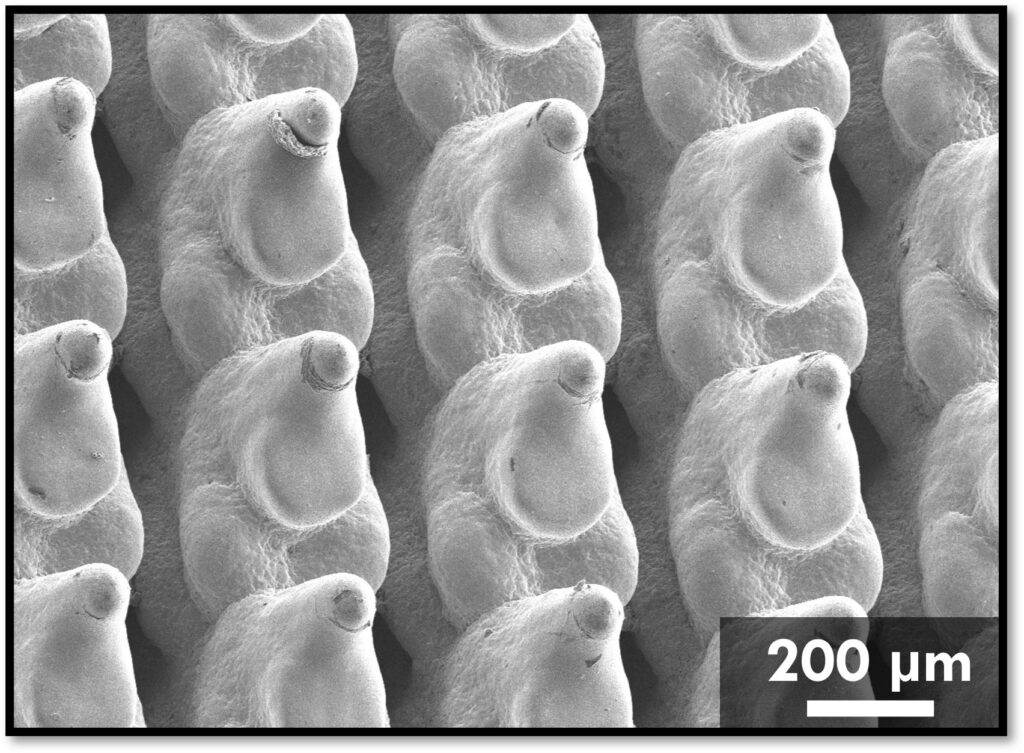
The ECAM process offers several advantages over traditional methods. It allows for the creation of complex geometries, such as tightly packed metal "fins" with pointed tops and jagged edges, which are optimized for the surface area of chips. Additionally, ECAM utilizes liquid metals, making it better suited for working with pure copper, resulting in improved cooling performance.
Research Findings and Implications
The University of Illinois researchers claim that their findings suggest the Fabric8Labs cold plates deliver improvements in data center cooling over other finned cold plates by 32 percent. This is a significant improvement, especially considering that most existing methods focus on cost efficiency rather than maximizing cooling performance. The collaboration's focus on maximizing cooling performance may have devised a superior method for lowering data center temperatures.
Bottom Line
The collaboration between Fabric8Labs and the University of Illinois demonstrates the potential of electrochemical additive manufacturing (ECAM) in producing innovative heat exchanger solutions for data center thermal management. With its ability to create complex geometries and utilize pure copper, ECAM offers improved cooling performance, making it an attractive solution for addressing the rising power loads demanded by AI chips. As the demand for efficient data center cooling continues to grow, the use of ECAM and similar technologies is likely to play a significant role in shaping the future of data center thermal management.