Key Takeaways
- Digital Image Correlation (DIC) is a technique used to analyze the surface deformation of 3D printed polymers
- DIC can detect cracks and fractures in 3D printed polymers with high accuracy
- The technique uses high-resolution cameras to capture images of the polymer's surface before and after deformation
- DIC can be used to improve the mechanical properties of 3D printed polymers
- The technique has the potential to reduce the time and cost associated with traditional testing methods
Introduction to Digital Image Correlation
Digital Image Correlation (DIC) is a non-contact optical technique used to measure the surface deformation of materials. In the context of 3D printed polymers, DIC is used to analyze the mechanical properties of these materials and detect cracks and fractures. A recent research paper has highlighted the potential of DIC in improving the fracture testing of 3D printed polymers.
How Digital Image Correlation Works
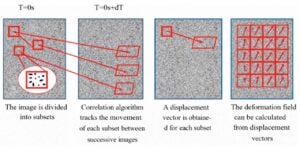
The DIC technique uses high-resolution cameras to capture images of the polymer's surface before and after deformation. The images are then analyzed using specialized software to calculate the surface displacement and strain fields. This information can be used to detect cracks and fractures in the polymer, as well as to analyze its mechanical properties.
Comparison of Testing Methods
| Method | Accuracy | Cost | Time |
|---|---|---|---|
| Digital Image Correlation | High | Moderate | Short |
| Traditional Testing | Moderate | High | Long |
| Other Non-Destructive Testing | Variable | Variable | Variable |
Benefits of Digital Image Correlation
The use of DIC in fracture testing of 3D printed polymers has several benefits, including:
- High accuracy: DIC can detect cracks and fractures with high accuracy, which is essential for ensuring the reliability of 3D printed polymers.
- Time and cost savings: DIC can reduce the time and cost associated with traditional testing methods, which can be labor-intensive and expensive.
- Improved mechanical properties: DIC can be used to analyze the mechanical properties of 3D printed polymers, which can help to improve their performance and reliability.
Bottom Line
Digital Image Correlation is a powerful technique that has the potential to revolutionize the fracture testing of 3D printed polymers. With its high accuracy, time and cost savings, and ability to improve mechanical properties, DIC is an attractive option for researchers and manufacturers looking to improve the reliability and performance of 3D printed polymers. As the demand for 3D printed polymers continues to grow, the use of DIC is likely to become increasingly important in ensuring the quality and reliability of these materials.