Key Takeaways
- SWISSto12 is collaborating with HPS/LSS to develop an unfurling antenna for the next-generation NEASTAR-1 satellite
- The satellite will be a geostationary direct-to-device broadcaster based on the compact HummingSat platform
- The project involves multiple partners, including ASP, AST, DLR, Tesat, Thales Germany, Jena Optronik, and Rockwell Collins Germany
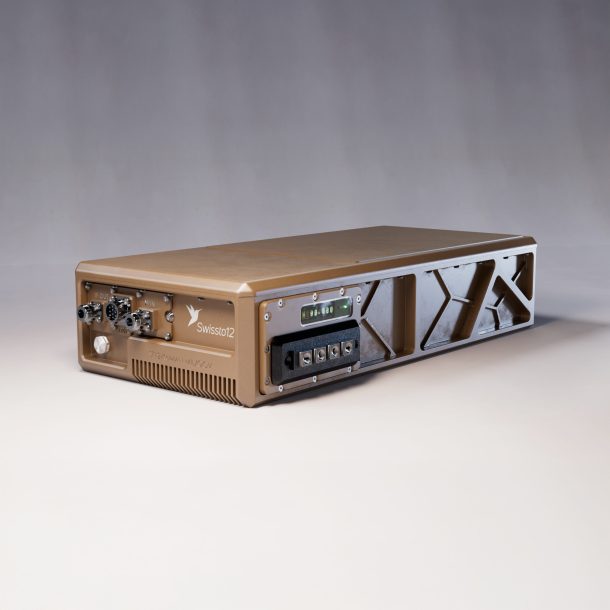
- SWISSto12 is leveraging its 3D printing expertise to develop highly performant compact RF components and satellites
Introduction to NEASTAR-1 Satellite
The NEASTAR-1 satellite is a next-generation geostationary direct-to-device broadcaster that will be based on the compact HummingSat platform. This platform has the potential to find numerous applications in direct-to-device communications for various industries, including military, rescue operations, company communications, remote connectivity, and even as a potential replacement for Starlink.
Collaboration and Partnerships
SWISSto12 is working in collaboration with HPS/LSS, which consists of two separate firms: High Performance Space Structure Systems and Large Space Structures. These firms specialize in large antenna reflectors and will be responsible for developing the large deployable reflector subsystem (LDRS) for the NEASTAR-1 satellite. Other partners involved in the project include:
- ASP
- AST
- DLR
- Tesat
- Thales Germany
- Jena Optronik
- Rockwell Collins Germany
Comparison of Satellite Platforms
| Platform | Description | Applications |
|---|---|---|
| HummingSat | Compact satellite platform | Direct-to-device communications, military, rescue operations, company communications, remote connectivity |
| Starlink | Satellite constellation | Global internet connectivity, remote communications |
| NEASTAR-1 | Geostationary direct-to-device broadcaster | Direct-to-device communications, military, rescue operations, company communications, remote connectivity |
SWISSto12's 3D Printing Expertise
SWISSto12 is utilizing its 3D printing expertise to develop highly performant compact RF components and satellites. This expertise has enabled the company to offer an alternative to US dominance in satcom, providing a European capability for satellite development.
Funding and Support
The European Space Agency's (ESA) Advanced Research in Telecommunications (ARTES) program has provided funding and support for the development of the antenna. The NEASTAR-1-LDRS project will be mainly funded by ESA and the German Aerospace Center (DLR).
Bottom Line
The collaboration between SWISSto12 and HPS/LSS to develop an unfurling antenna for the NEASTAR-1 satellite has the potential to revolutionize direct-to-device communications. With the involvement of multiple partners and the support of the ESA and DLR, this project is poised to make a significant impact in the satellite industry. SWISSto12's 3D printing expertise has enabled the company to offer a European alternative to US dominance in satcom, providing a highly performant and compact solution for satellite development.