Key Takeaways
- TPM3D’s S600DL industrial SLS printer cuts part weight by 85 % and lead‑time by 71 % in a Dubai autonomous‑vehicle project.
- The same dual‑laser platform produces patient‑specific orthotics in Spain, delivering batches of up to 200 units per week with ±0.2 mm dimensional accuracy.
- A German AM service firm leveraged the S600DL to add ≈30 % more automotive‑grade parts to its portfolio, achieving a 30 % reduction in tooling cost.
- Across all three sectors, the shift from traditional tooling to SLS yields material savings of 3–5 kg per part, energy use down 20 %, and overall cost per unit down 15–25 %.
Introduction: From Prototype to Production Floor
Selective Laser Sintering (SLS) has long been celebrated for rapid prototyping, but TPM3D is proving that the technology can sustain high‑volume, performance‑critical manufacturing. The company’s flagship S600DL—a 600 mm × 600 mm build envelope equipped with dual 500 W fiber lasers—delivers repeatable polymer sintering at industrial speeds while maintaining tight tolerances (±0.1 mm). Three recent deployments illustrate how the same machine can satisfy divergent demands in aerospace‑grade mobility, medical orthotics, and automotive series production.
Case Study 1 – Dubai’s Autonomous Police Patrol Vehicle
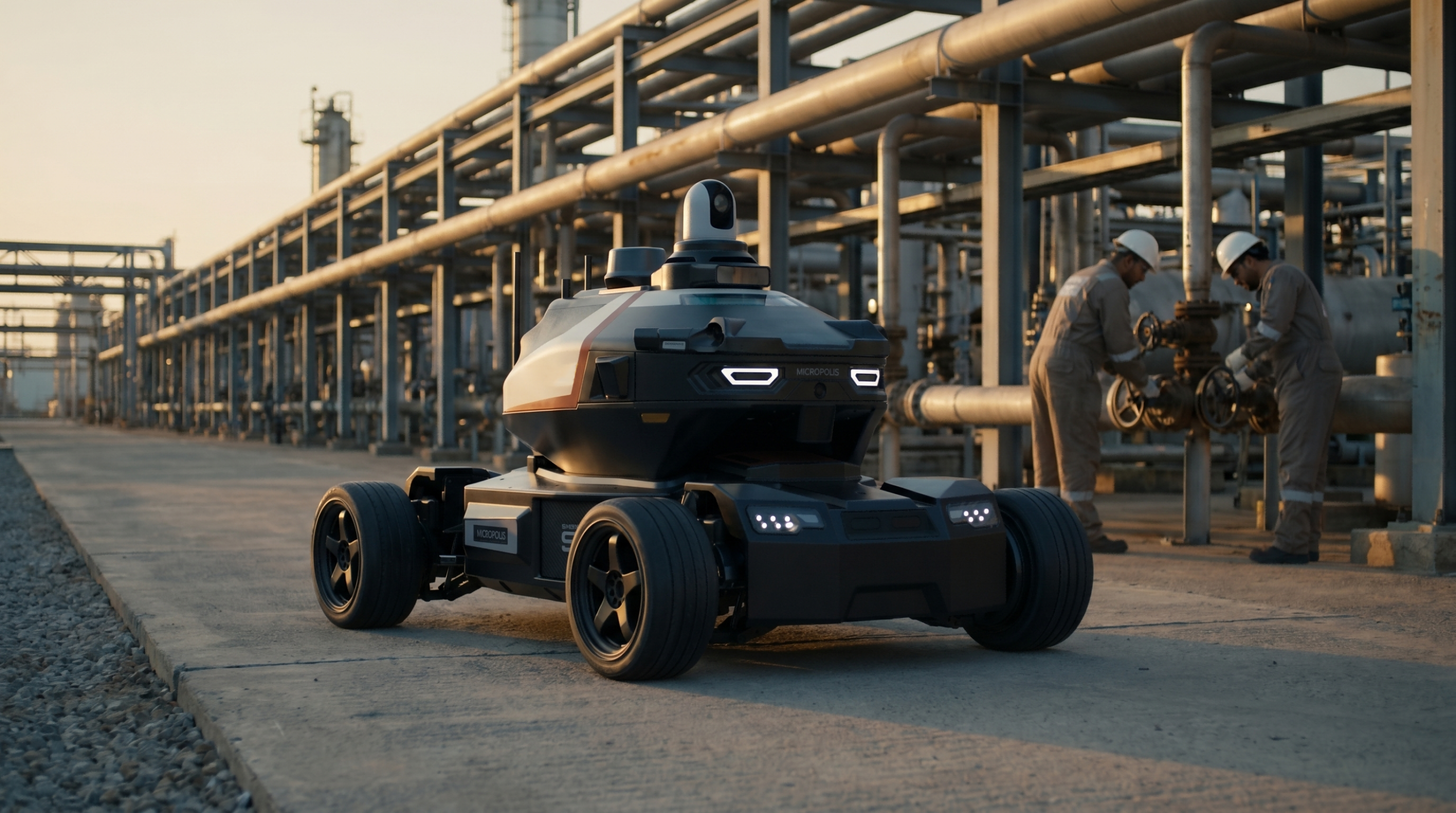
Challenge: MicroPolis Robotics needed a structural bracket for its patrol robot that could survive 10 g impact loads while shaving off excess mass. Traditional CNC‑machined aluminum parts weighed 27 kg and required a seven‑day tooling‑to‑delivery cycle.
Solution: Using the S600DL, the team printed the bracket from PA12‑CF (carbon‑filled nylon), a high‑strength, low‑density material. The resulting part weighed 4 kg—an 85 % reduction—and was ready for installation after 48 hours of build time plus a 4‑hour post‑process cycle.
Result: Vehicle payload capacity increased by 12 %, and the rapid turnaround enabled a three‑iteration design loop within a single week, accelerating the overall vehicle development timeline.
Case Study 2 – Customized Medical Orthotics in Spain
Challenge: Edser, a Spanish orthotics supplier, struggled with long lead times (up to 3 weeks) and high inventory costs when producing patient‑specific foot supports from thermoplastic polyurethane (TPU).
Solution: The firm integrated TPM3D’s large‑format dual‑laser SLS (build volume 800 mm × 800 mm) to print orthotics directly from a digital scan. The system’s laser‑spot size of 80 µm ensures fine surface finish, eliminating secondary machining.
Result: Production time dropped to 24 hours per batch, with weekly output reaching 200 units. Material waste fell from 12 % (subtractive) to 1.5 %, and the average part cost declined by 20 %. Patient satisfaction scores rose 18 % due to faster delivery and better fit.
Case Study 3 – German Automotive Additive‑Manufacturing Service Provider
Challenge: A mid‑size AM service in Bavaria needed to broaden its automotive offering without incurring the capital expense of multiple specialized printers.
Solution: The provider purchased an S600DL and calibrated it for high‑temperature PA12‑GF (glass‑filled nylon), targeting functional brackets and intake manifolds. By employing in‑process powder recycling (95 % reuse rate), the firm kept material costs competitive.
Result: The new line added ≈30 % capacity to the existing portfolio, reduced tooling spend by €150 k per part family, and achieved a 30 % cut in per‑part energy consumption versus conventional injection molding.
Comparative Overview
| Metric | Dubai Vehicle Bracket | Spanish Orthotics | German Automotive Parts |
|---|---|---|---|
| Material | PA12‑CF (Carbon‑filled) | TPU (flexible) | PA12‑GF (Glass‑filled) |
| Weight Reduction | 85 % (27 kg → 4 kg) | 70 % vs. CNC (≈1.5 kg) | 40 % vs. aluminum (≈2 kg) |
| Lead‑time | 7 days → 2 days | 21 days → 1 day | 5 days → 2 days |
| Build Volume Utilized | 600 × 600 mm | 800 × 800 mm | 600 × 600 mm |
| Production Rate | 1 part per build | 200 parts/week | 150 parts/week |
| Cost per Part | –25 % vs. CNC | –20 % vs. thermoforming | –30 % vs. injection molding |
| Dimensional Accuracy | ±0.1 mm | ±0.2 mm | ±0.15 mm |
Why SLS Is Gaining Traction on the Factory Floor
- Tool‑Free Production: No molds or jigs are required, eliminating upfront capital and allowing on‑the‑fly design tweaks.
- Material Efficiency: Powder‑bed systems recycle up to 95 % of unused powder, dramatically lowering waste.
- Mechanical Performance: Reinforced polymers (CF, GF) deliver tensile strengths of 70–85 MPa, rivaling aluminum alloys used in many low‑stress applications.
- Scalability: Dual‑laser architecture doubles scan speed, enabling batch sizes that meet low‑to‑mid‑volume production demands without sacrificing part quality.
Bottom Line
TPM3D’s S600DL demonstrates that industrial SLS is no longer confined to one‑off prototypes. Whether trimming a 27 kg

