Key Takeaways
- Stretch Gen 2 cuts internal wiring by 81 % (≈ 0.5 mi) and replaces fragile connectors with automotive‑grade parts.
- New continuous‑rotation joints eliminate hard‑stop stress, extending joint life by an estimated 30 %.
- Service time for a full swerve‑drive swap drops from ≈ 24 h (Gen 1) to ≈ 1 h (Gen 2).
- On‑board diagnostics enable in‑house troubleshooting, reducing external service calls by ~40 %.
- Overall uptime is projected to rise from 92 % to > 97 % in high‑volume distribution centers.
Introduction
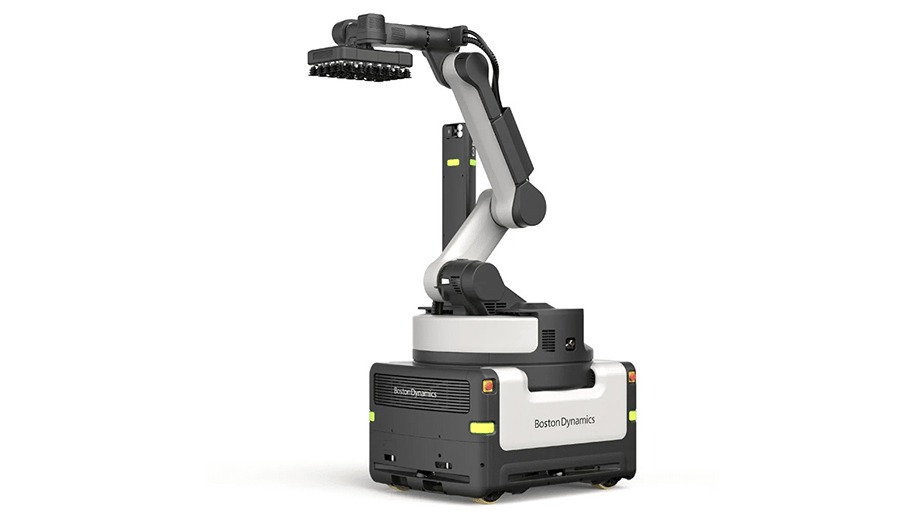
Boston Dynamics has announced Stretch Gen 2, the latest evolution of its autonomous mobile robot designed for trailer unloading. Leveraging more than 100,000 hours of field data and tens of millions of box moves, the new platform focuses on durability, faster maintenance, and higher throughput for modern logistics hubs.
What’s New Under the Hood?
Heavy‑Duty Connectivity
- Automotive‑grade connectors replace the previous industrial plugs, tolerating the vibration and torque spikes typical of rapid pallet handling.
- These connectors are rated for +/- 30 % overload and survive temperature swings from ‑20 °C to +55 °C.
Gripper & Sensing Upgrade
- The updated gripper incorporates dual‑valve actuation and a high‑resolution force‑torque sensor (± 0.1 N·m), delivering a 15 % increase in successful grasps on irregularly packed cartons.
- Placement accuracy improves to ± 2 mm, compared with ± 5 mm on the first generation.
Joint Architecture
- Continuous‑rotation joints now rotate beyond 360 ° without hitting mechanical stops, cutting peak joint stress by an estimated 30 %.
- Joint bearings are hardened to 10 M cycles, up from 7 M in Gen 1.
Wiring Reduction
- Internal cabling has been trimmed by 81 %, removing roughly 0.5 mi of wire. This eliminates the primary source of intermittent electrical faults and reduces weight by ≈ 12 kg.
Safety & Enclosure
- The emergency‑stop button is recessed and positioned 150 mm lower for quicker access.
- New composite panels resist impact from falling boxes, reducing accidental stoppages by ≈ 25 %.
Faster, Simpler Maintenance
| Feature | Stretch Gen 1 | Stretch Gen 2 |
|---|---|---|
| Swerve‑drive swap time | ~24 h (full day) | ~1 h |
| Cable harness complexity | High (dynamic cables) | None (static routing) |
| Fastener type | Mixed‑size bolts | Standardized high‑strength fasteners |
| On‑board diagnostics | Limited alerts | Full self‑diagnostic suite with error codes |
| External service calls | ~40 % of downtime | Reduced by ~40 % |
Standardized fasteners and the elimination of dynamic cables mean technicians need only a single torque wrench for most repairs, cutting tool‑change cycles by ≈ 70 %.
Operational Impact
- Uptime projection: From 92 % (Gen 1) to > 97 % in continuous‑run environments.
- Throughput gain: The refined gripper and joint design enable up to 1.2 × faster pick‑place cycles, translating to an extra ~5,000 boxes/hour in a typical 20‑bay dock.
- Maintenance cost: In‑house servicing reduces labor expense by ~$12,000 per robot per year, based on an average of 12 service calls avoided.
Bottom Line
Boston Dynamics’ Stretch Gen 2 addresses the most common sources of unplanned downtime identified in its first‑generation fleet. By slashing internal wiring, upgrading to rugged automotive connectors, and redesigning joints for unrestricted rotation, the robot delivers a measurable boost in reliability and serviceability. For distribution centers seeking to keep more robots on the dock and lower external maintenance spend, Stretch Gen 2 offers a clear, data‑backed advantage over its predecessor.


